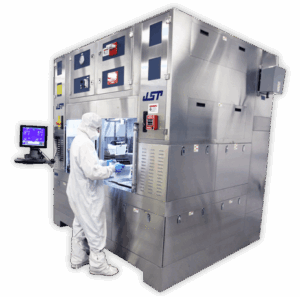
In the fast-paced world of semiconductor manufacturing, precision and efficiency are paramount. One critical aspect of the production process that demands meticulous attention is the drying phase. Proper industrial drying solutions are essential to ensure the quality and reliability of semiconductor components. This article delves into the importance of industrial drying in semiconductor manufacturing, explores various drying techniques, and highlights considerations for selecting the right drying solution.
The Role of Drying in Semiconductor Manufacturing
The manufacturing of semiconductors involves numerous complex steps, each crucial to the final product’s performance. Among these, the drying process is vital for removing moisture after wet chemical processes, such as etching and cleaning. Moisture can lead to defects, impacting the electrical properties and longevity of semiconductor devices.
Key Functions of Drying
- Eliminates residual moisture to prevent corrosion and contamination.
- Ensures the stability and reliability of semiconductor components.
- Enhances the adhesion of subsequent layers in the manufacturing process.
For more insights into these functions, discover expert strategies here.
Types of Industrial Drying Solutions
There are several industrial drying solutions available, each suited to specific manufacturing needs. Choosing the right system is crucial for optimizing efficiency and product quality.
Hot Air Drying
Hot air drying is one of the most common methods used in semiconductor manufacturing. It involves the circulation of heated air over the semiconductor materials to evaporate moisture.
- Effective for large-scale production.
- Relatively low operational costs.
Learn about our tailored solutions for hot air drying by clicking here.
Vacuum Drying
Vacuum drying is often used for sensitive semiconductor materials. It reduces the boiling point of moisture, allowing drying at lower temperatures.
- Ideal for temperature-sensitive materials.
- Prevents oxidation and contamination.
Find out more about this approach to vacuum drying solutions on our website.
Infrared Drying
Infrared drying uses infrared radiation to heat the semiconductor materials directly, providing rapid and uniform drying.
- Faster process compared to conventional methods.
- Energy-efficient and reduces processing time.
For more information, explore advanced guides and tips on infrared drying.
Considerations for Selecting Drying Solutions
When selecting a drying solution, several factors must be considered to ensure optimal performance and cost-effectiveness.
Material Compatibility
The drying system must be compatible with the materials being processed to prevent damage and ensure quality.
Energy Efficiency
Energy consumption is a significant consideration in semiconductor manufacturing. Efficient drying solutions can significantly reduce operational costs.
Scalability
As production demands increase, the drying solution must be scalable to accommodate higher volumes without compromising quality.
For more detailed considerations on selecting the right solution, learn more here.
Conclusion
Industrial drying solutions are integral to semiconductor manufacturing, affecting the quality, reliability, and efficiency of the final product. By understanding the various drying techniques and considerations for selecting the appropriate solution, manufacturers can enhance their production processes and maintain competitive advantage. For further guidance, explore the resources available to find the best solutions tailored to specific needs.